

Wide Toe Box Shoes: Functional Footwear 101 for Strong, Healthy Feet
Wide Toe Box Shoes: Functional Footwear 101 for Strong, Healthy Feet
If you’ve ever kicked off a pair of hyped sneakers because your toes were screaming, this one’s for you. Wide toe box shoes aren’t just a niche barefoot thing anymore – they’re quickly becoming a must-know category for runners, walkers, and sneakerheads who actually want their feet to survive the hype cycle.
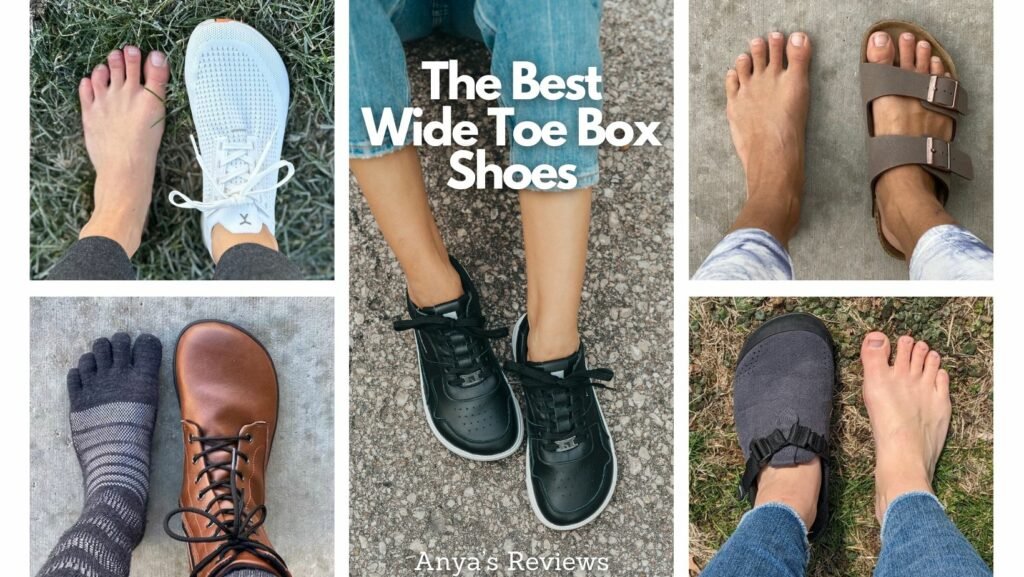
In a recent conversation with a foot specialist, the whole idea of “functional footwear” got broken down in a way that instantly clicks for anyone who’s dealt with bunions, plantar pain, or just wants to get more out of their running and gym sessions. The big takeaway: your shoes can either train your feet to be stronger and more resilient… or slowly shut them down.
Why Wide Toe Box Shoes Matter More Than You Think
Most modern sneakers are shaped like… other sneakers. Not like feet. The forefoot narrows, the toes get squeezed together, and over time you start seeing all the classics:
- Bunions (hallux valgus) – big toe pushed inward, joint bulging outward
- Neuromas – nerve irritation between the toes
- Hammer toes – toes bent and stuck in a clawed position
- General forefoot pain, hot spots, and numbness
A wide toe box does the exact opposite. It lets the toes splay – spread out like they naturally would when you stand, walk, or push off to run. When the forefoot can spread, the whole foot functions better. You get:
- Better balance and stability
- A stronger big toe (your main “engine” for push-off)
- Less pressure on the ball of the foot and toes
- Space for bunions and wider feet without crushing everything together
For anyone who lives in sneakers – whether it’s daily wear, gym, or running – toe box shape is not a “comfort feature.” It’s structural.
The 3 Non-Negotiables of Functional Footwear
The foot doc in the convo laid out three non-negotiables for a truly functional “workhorse” shoe – the pair you wear most of the day, not just on race day or at the gym.
1. Wide Toe Box (Foot-Shaped, Not Fashion-Shaped)
Your toes should be the widest part of your foot – which means the widest part of the shoe should be at the toes, not the midfoot. A functional shoe:
- Has a squared or rounded forefoot, not a sharp taper
- Lets your big toe point forward, not curve toward the second toe
- Works with toe spacers if you wear them, instead of fighting them
Important detail for shoppers: a “wide shoe” is not the same as a “wide toe box shoe.” Many wide fits just add volume through the midfoot while the toe still tapers. You want width carried all the way to the tips of the toes.
2. Heel and Toe on the Same Plane (Zero Drop or Close)
Next non-negotiable: the heel and the toes should sit on the same level, known as zero drop. That doesn’t mean the shoe has to be paper thin – it just means there isn’t a mini high heel built into every step.
A level platform helps your foot and lower leg work the way they’re designed to. Constantly living in a 8–10 mm drop shoe subtly shortens your calves and shifts load away from the foot’s own muscles and tendons. Over years, that adds up.
You can absolutely have a zero-drop shoe with cushioning – especially useful if you’re running on concrete or asphalt. Think of that as a “bridge” between traditional trainers and truly minimalist models.
3. Thin and Flexible Sole (So Your Foot Actually Works)
This is where a lot of people get nervous. A thinner, more flexible sole means:
- More load through your bones, ligaments, and tendons
- More demand on the muscles of the foot and lower leg
- Way more feedback from the ground
In other words, your foot has to work. That’s the whole point. A functional “workhorse” shoe lets your foot move, flex, and stabilize. Over time, that makes the foot stronger – and stronger feet usually mean fewer chronic issues up the chain (ankles, knees, hips).
The catch? You have to earn your right to wear this kind of shoe all day.
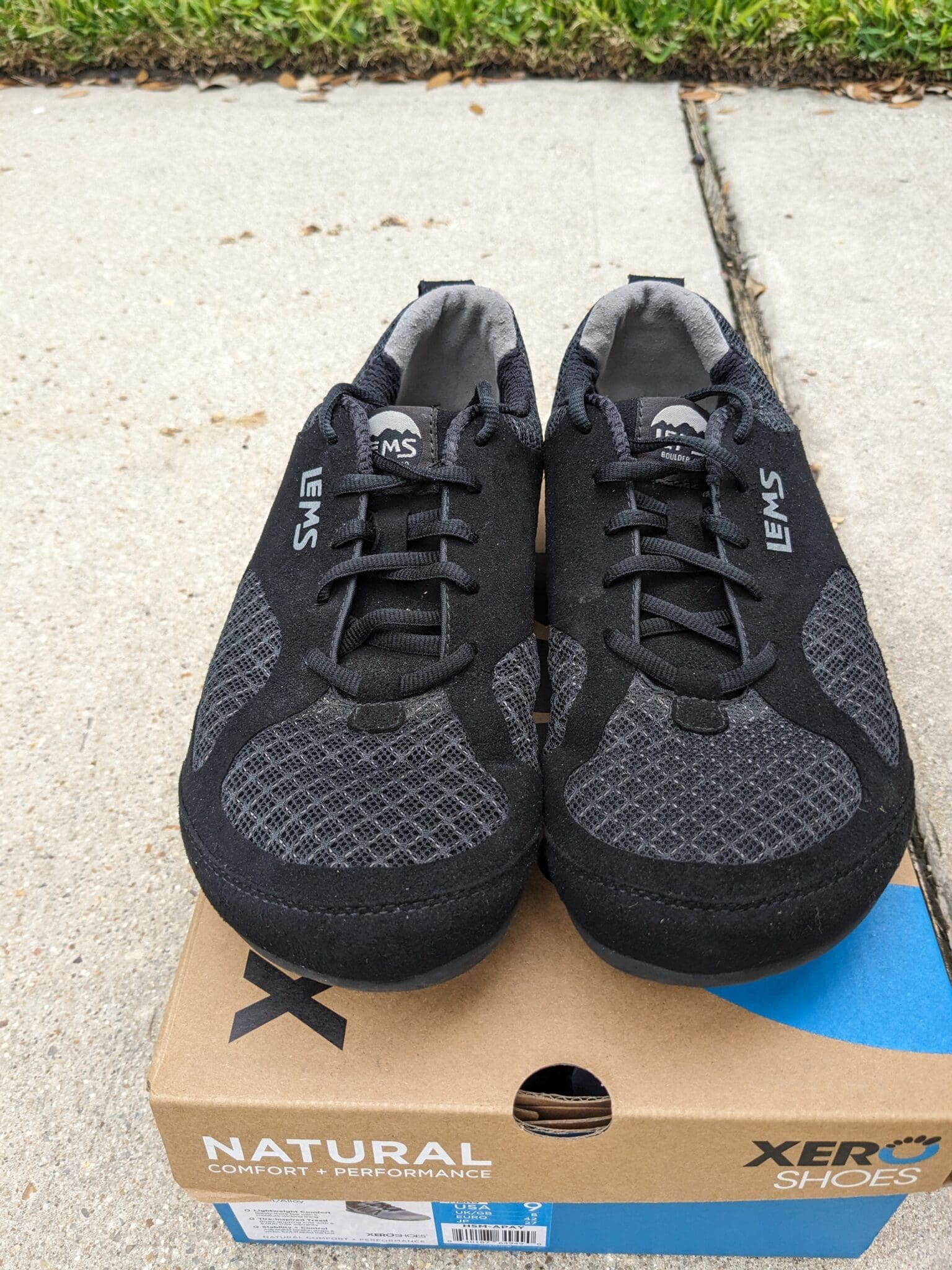
How to Transition Without Wrecking Your Plantar Fascia
If you’ve been living in max-cushion, high-drop runners (maybe even with orthotic inserts), jumping straight into a thin, flexible, wide toe box shoe 24/7 is a fast track to hating life – especially if you’ve ever flirted with plantar fasciitis.
Instead, treat functional footwear like strength training:
- Start with foot exercises. Simple stuff: towel curls, big toe lifts, toe spreading drills, calf raises, and rolling the sole of the foot on a ball to “wake up” the receptors.
- Begin with 5–10 minutes a day in your more minimal pair – around the house, doing chores, quick walk breaks.
- Use a transition shoe that still has a wide toe box and zero drop, but more cushioning and stack height for running or longer walks.
- Build gradually. Add time each week as your feet adapt. Sore muscles are okay. Sharp pain is not.
For people with very weak feet or a long injury history, that ultra-minimal pair might never be the all-day shoe – and that’s fine. A roomy, zero-drop, cushioned trainer can still let your toes splay and your foot do more work than a traditional, pointy, high-heeled sneaker.
Super Shoes vs Functional Shoes: When Alphafly Belongs in the Rotation
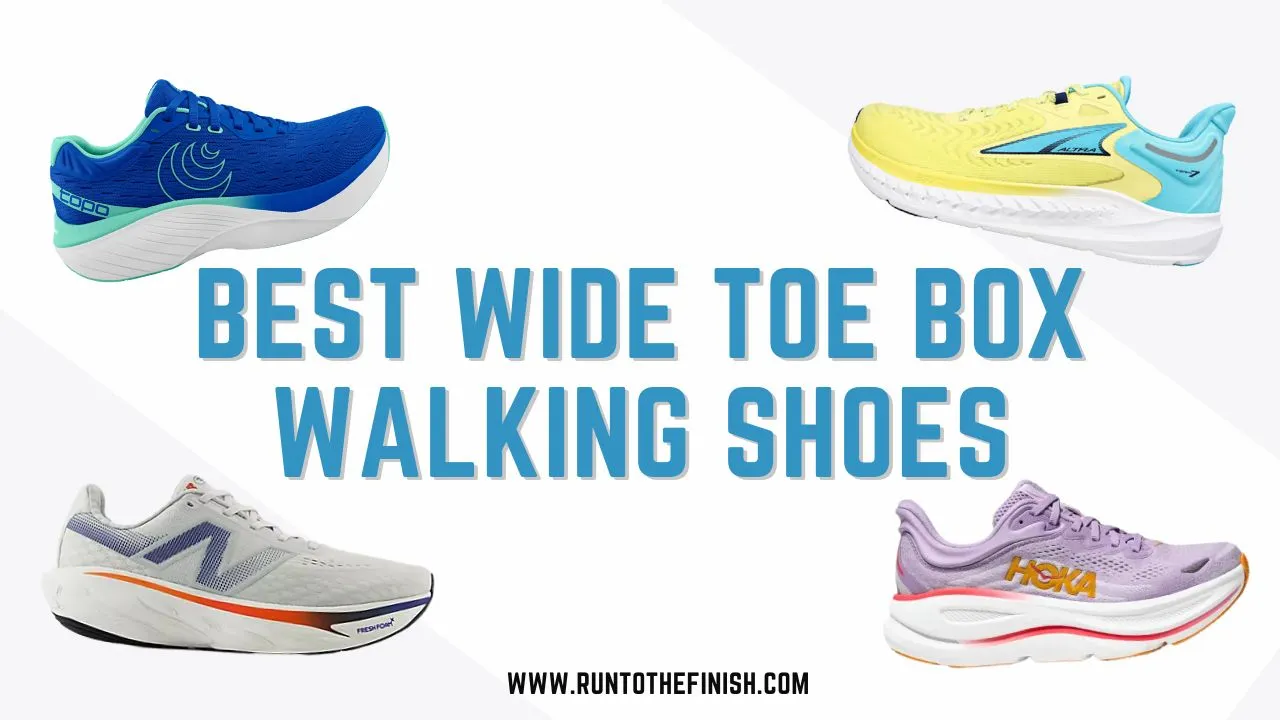
Of course, this is SneakerBinge – we’re not pretending super shoes don’t exist. Nike Alphafly, Vaporfly, all the plated monsters with huge stacks and aggressive rockers absolutely have their place.
The foot doc broke it down like this:
- Super shoes have toe spring (that lifted forefoot) and a rocker that literally rolls you forward.
- They often contain a carbon plate and super-bouncy foam that boosts running economy on race day.
- They do some of the work for you – great for performance, not so great if you always train in them.
Spend all your miles in a plated, heavily rockered shoe and your intrinsic foot muscles never really have to show up. Over time, that can lead to weak feet sitting on top of high performance tech. That’s when you start hearing, “My hamstring, my calf, my foot, my whatever…”
The smarter play:
- Use a functional daily trainer (wide toe box, level platform, decent flexibility) for most of your miles and everyday wear.
- Layer in plyometrics (jumping, hops, bounds) 1–2x per week to train your body’s natural “springs.”
- Save your Alphafly/Vaporfly/super shoe for speed sessions and race day, when that 2–4% bump actually matters.
Put a strong body and strong feet on top of a super shoe and you feel like a cheat code. Put a weak system on top of it and you’re just rolling dice.
Movement Snacks, Not Just Standing Desks
There was also a big emphasis on movement itself. Standing all day at a desk isn’t automatically better than sitting all day if you’re just frozen in one position. What does help:
- Short, frequent “movement snacks” – 3–5 minute walks a few times a day
- Using those breaks to let your feet work in more functional shoes
- Hitting a realistic step count target that fits your life instead of obsessing over arbitrary numbers
Walk clubs and run clubs are blowing up for a reason: they mix movement with community. That social layer makes it way easier to stay consistent – and consistent loading is what actually reshapes feet, muscles, and habits.
Build Your Own Foot Gym: Toe Spacers, Bands & Balls
One of the coolest parts of the conversation was the “foot health kit” – basically a tiny gym for your feet that pairs perfectly with wide toe box shoes:
- Toe spacers – worn between the toes to gently encourage splay, especially useful if years of tight shoes have squished everything together.
- Toe strengtheners – little devices or bands that make you actively flex and extend your toes.
- Resistance band – for ankle and lower leg work, especially after sprains.
- Massage ball – for rolling the sole of the foot, waking up sensation, and loosening stiff tissue.
The doc also uses a simple “credit card test” to see if your big toe and arch are actually doing anything. Slide a card under the toe, ask the patient to press down, and feel whether the resistance is coming from the foot and calf – or if the whole leg and hip are trying to cheat.
Pair that kind of foot-specific work with time in functional shoes and you get a much better platform for everything else: ankle mobility, knee extension, hip extension – basically a better “jet engine” under your whole body.

What to Look For When Buying Wide Toe Box Shoes
When you’re actually shopping – whether it’s for running, walking, or just a daily beater that won’t wreck your feet – use this checklist:
- Toe box shape: From the top, it should look more like your bare foot than a bullet. Big toe points straight ahead, not angled in.
- True forefoot width: If you’re buying a “wide,” make sure the width extends all the way into the toe area, not just through the midfoot.
- Drop: Aim for zero drop or as low as you can reasonably handle given your history (especially if you’ve had Achilles or calf issues).
- Flexibility: Try to bend and twist the shoe in your hands. You want some give, especially through the forefoot.
- Mesh or forgiving upper: A flexible upper lets the toes expand, especially if you’re wearing toe spacers.
- Use-case: More cushion and stack for hard-surface running and long days on concrete; thinner for foot-strength work and shorter sessions.
Reseller Outlook: Is Functional Footwear the Next Wave?
From a resell perspective, wide toe box and functional footwear is a slower burn than, say, a limited Jordan 1 collab – but the trend line is real.
Resell Potential
- Growing niche demand: Runners, walkers, and health-focused buyers are actively searching for wide toe box and zero drop options.
- Education sells: Listings that call out features like “foot-shaped toe box,” “zero drop,” and “compatible with toe spacers” can stand out even when stock isn’t technically limited.
- Brand diversity: It’s not just one swoosh drop – there are multiple brands and silhouettes people are exploring, from athletic to lifestyle and boots.
Short-Term vs Long-Term Holds
- Short-term: Limited colorways or early pairs of trending models (like new wide toe box trainers or bridge shoes) can flip quickly when reviews hit YouTube and TikTok.
- Long-term: Clean, versatile colorways in truly functional silhouettes can act like “evergreen” inventory – slower but steady demand from people who care more about comfort and function than hype dates.
Risk Factors
- Niche aesthetic: Foot-shaped shoes can look weird to casual buyers. Some models will always be more performance/health than fashion.
- Education barrier: You may need extra copy and sizing guidance to convert customers who’ve never tried wide toe box or zero drop before.
- Brand saturation: As mainstream brands start offering their own “foot-health” lines, margins on non-limited pairs could compress.
Bottom line: functional footwear is more of a lane than a lottery ticket – but for a store like SneakerBinge that mixes performance, lifestyle, and education, it’s a strong category to lean into.
SneakerBinge Take
Here’s how we’d play it if you’re both a sneaker lover and someone who actually cares about keeping their feet alive:
- Build a rotation: One super shoe or plated racer for speed days and races; one wide toe box, low-drop daily trainer; one more minimal pair for foot-strength sessions and short walks.
- Respect the transition: Don’t go from thick, high-drop foam to ultra-thin barefoot overnight. Treat your feet like a new muscle group you’re training.
- Think beyond hype: Collabs are fun, but a pair that lets your toes spread and your foot work naturally can literally change how you walk, run, and lift.
- For resellers: Start tagging listings with functional keywords – “wide toe box,” “zero drop,” “foot-shaped,” “natural feel.” That’s how the right buyers find you.
Conclusion: Strong Feet > Trend Cycles
Wide toe box shoes and functional footwear aren’t anti-sneaker. They’re anti-foot-abuse. You can still love your Alphaflys, your Jordans, your cushioned trainers – just be intentional about when you use them, and give your feet time in shoes that actually let them work.
If you want to go deeper into specific models, resell angles, and rotation ideas, hit up SneakerBinge.com for more guides, drop breakdowns, and resell insights. Your feet – and your future self – will thank you.
70 comments
https://horse-boostofflineusa.lovable.app https://www.trustpilot.com/review/horse-boostofflineusa.lovable.app? https://www.facebook.com/horseboostusa https://www.facebook.com/events/984763261121596? https://www.facebook.com/events/2967751013573918? https://www.facebook.com/events/1304015155172928/? https://www.facebook.com/groups/horseboostusa https://www.facebook.com/groups/horseboostonline https://www.facebook.com/groups/horseboostoffline https://sites.google.com/view/horseboostfeelstrongerlastlong/home https://groups.google.com/g/horse-boost/c/1JgOkoML2SI https://www.grepmed.com/HorseBoost https://www.grepmed.com/Horse_Boost https://www.grepmed.com/Horseboostus https://eventprime.co/o/horseboost https://eventprime.co/o/horseboostus https://eventprime.co/o/horseboostusa https://form.jotform.com/Horseboostus/horse-boost—feel-stronger https://form.jotform.com/horseboostusa/horse-boost—your-secret-to-peak https://form.jotform.com/horseboostcom/horse-boost—ride-strong-live-stron https://vgen.co/horseboostus/characters https://vgen.co/horseboostusa/characters https://vgen.co/horse_boost/characters https://scribehow.com/viewer/Horse_Boost__Feel_Stronger_Last_Longer__VPTQHxZvTHCQN5jBw_LVrg https://scribehow.com/viewer/Horse_Boost__Revitalize_Strength_and_Endurance_Naturally___nPUck1ERF6fhe9FJVprxQ https://scribehow.com/viewer/Horse_Boost__Performance_You_Can_Feel__dWxbiMmYRoSN9oHo6WSgaw
http://facebook.com/PowerXForEDusa
https://www.facebook.com/groups/powerxforedusa
https://www.facebook.com/groups/powerxforedus
https://www.facebook.com/groups/powerxfored
https://www.facebook.com/groups/getpowerxfored
https://www.facebook.com/events/1457415019383906/
https://www.facebook.com/events/1501312338018887/
https://www.facebook.com/events/981786344344179/
https://www.facebook.com/events/978132031222051/
https://open.firstory.me/story/cmnvcktxj0fh001vva10d4qzg
https://open.firstory.me/story/cmnvcpmoh0ec301w788o8gdh8
https://open.firstory.me/story/cmnvcupix0fj301vv3c0sdyw6
https://open.firstory.me/story/cmnvd2w2c0edj01w7fprs3lp8
https://scribehow.com/viewer/Power_X_For_ED_Boost_Blood_Circulation_Naturally__JgqRrM13RLSRoqKIE393hw
https://scribehow.com/viewer/Power_X_For_ED_Enhance_Strength_and_Stamina_Today__LvOq3ELIRXm8ml1Z1GFx5w
https://scribehow.com/viewer/Power_X_For_ED_Top_Choice_for_Mens_Performance__az5nyiSdRcqyVIOQLImObQ
https://scribehow.com/viewer/Power_X_For_ED_Stronger_Erections_in_Weeks__dv88LYtyRdWcXwkG-0dY2g
https://scribehow.com/viewer/Power_X_For_ED_Enhance_Strength_and_Stamina_Today__LY6UH1SBTaSslZbKUplEsQ
https://scribehow.com/viewer/Power_X_For_ED_Supplement_Boost_Male_Performance_Naturally__UcjOSTu2RY-wbWnnDd0JlQ
https://scribehow.com/viewer/Power_X_For_ED_Pills_Improve_Stamina_and_Strength_Fast__2WZ7rocgTWunpTDBItFung
https://form.jotform.com/261011143865045
https://form.jotform.com/261011963130040
https://form.jotform.com/261011648958058
https://form.jotform.com/PowerXForED/power-x-for-ed-usa
https://form.jotform.com/PowerXForED/power-x-for-ed-us
https://form.jotform.com/PowerXForED/power-x-for-ed
https://sites.google.com/view/power-x-for-ed/
https://sites.google.com/view/power-x-for-ed-usa/
https://powerxfored.lovable.app/
https://www.facebook.com/groups/vital.boost.xl.gummies.get
https://www.facebook.com/groups/vitalboostxlgummiesus/
https://www.facebook.com/groups/getvitalboostxlgummiesusa/
https://www.facebook.com/getVitalBoostXlGummiesusa
https://www.facebook.com/events/922808070379944/
https://www.facebook.com/events/1668226487687556/
https://www.facebook.com/events/1259789052945499/
https://scribehow.com/viewer/Why_Vital_Boost_XL_Gummies_Are_Trending_in_the_USA_Right_Now__rHhjM4DlQciudNCFCqG5LQ
https://scribehow.com/viewer/Vital_Boost_XL_Gummies_Boost_Your_Confidence_Naturally__uLMveaJeQsq-MsHrgrA_CQ
https://scribehow.com/viewer/Vital_Boost_XL_Gummies_Real_Results_Real_Confidence__Jdz696fwQPi3DrdOeLl7SQ
https://scribehow.com/viewer/Vital_Boost_XL_Gummies_Your_Daily_Wellness_Partner__v_VZpMAEQiujM3L0Ngjvwg
https://scribehow.com/viewer/Vital_Boost_XL_Gummies_USA_Trending_Wellness_Product__8ytT1KTiTPKPeVnetRQcZA
https://scribehow.com/viewer/Vital_Boost_XL_Gummies_Energy_Support_Made_Easy__Q3oSGcg5TnSeXdpromzLzg
https://scribehow.com/viewer/Vital_Boost_XL_Gummies_Build_a_Strong_Daily_Routine__JgW49Z4jT6qsd4RrY1Qhig
https://scribehow.com/viewer/Vital_Boost_XL_Gummies_Real_Results_Real_Confidence__8HeEq2Y6RNeSUj7muQIDTQ
https://open.firstory.me/story/cmntyfb7t0c0701ts72vt5zfi
https://open.firstory.me/story/cmntyjy710bdu01xia4s3h2ez
https://open.firstory.me/story/cmntyob5s0ber01xic0682sus
https://open.firstory.me/story/cmntytzdq0bg801xict50hu22
https://form.jotform.com/261001825658051
https://form.jotform.com/261001852125040
https://form.jotform.com/261001805003033
https://form.jotform.com/VitalBoostXlGummies/vital-boost-xl-gummies-us
https://form.jotform.com/VitalBoostXlGummies/vital-boost-xl-gummies-usa
https://form.jotform.com/VitalBoostXlGummies/vital-boost-xl-gummies
https://sites.google.com/view/vital-boost-xl-gummies-us/
https://sites.google.com/view/vital-boost-xl-gummies-get/
https://vgen.co/VitalBoostXlGummies/characters
https://vital-boost-xl-gummies-usa.lovable.app/
https://www.facebook.com/groups/vital.boost.xl.gummies.get
https://www.facebook.com/groups/vitalboostxlgummiesus/
https://www.facebook.com/groups/getvitalboostxlgummiesusa/
https://www.facebook.com/getVitalBoostXlGummiesusa
https://www.facebook.com/events/922808070379944/
https://www.facebook.com/events/1668226487687556/
https://www.facebook.com/events/1259789052945499/
https://scribehow.com/viewer/Why_Vital_Boost_XL_Gummies_Are_Trending_in_the_USA_Right_Now__rHhjM4DlQciudNCFCqG5LQ
https://scribehow.com/viewer/Vital_Boost_XL_Gummies_Boost_Your_Confidence_Naturally__uLMveaJeQsq-MsHrgrA_CQ
https://scribehow.com/viewer/Vital_Boost_XL_Gummies_Real_Results_Real_Confidence__Jdz696fwQPi3DrdOeLl7SQ
https://scribehow.com/viewer/Vital_Boost_XL_Gummies_Your_Daily_Wellness_Partner__v_VZpMAEQiujM3L0Ngjvwg
https://scribehow.com/viewer/Vital_Boost_XL_Gummies_USA_Trending_Wellness_Product__8ytT1KTiTPKPeVnetRQcZA
https://scribehow.com/viewer/Vital_Boost_XL_Gummies_Energy_Support_Made_Easy__Q3oSGcg5TnSeXdpromzLzg
https://scribehow.com/viewer/Vital_Boost_XL_Gummies_Build_a_Strong_Daily_Routine__JgW49Z4jT6qsd4RrY1Qhig
https://scribehow.com/viewer/Vital_Boost_XL_Gummies_Real_Results_Real_Confidence__8HeEq2Y6RNeSUj7muQIDTQ
https://open.firstory.me/story/cmntyfb7t0c0701ts72vt5zfi
https://open.firstory.me/story/cmntyjy710bdu01xia4s3h2ez
https://open.firstory.me/story/cmntyob5s0ber01xic0682sus
https://open.firstory.me/story/cmntytzdq0bg801xict50hu22
https://form.jotform.com/261001825658051
https://form.jotform.com/261001852125040
https://form.jotform.com/261001805003033
https://form.jotform.com/VitalBoostXlGummies/vital-boost-xl-gummies-us
https://form.jotform.com/VitalBoostXlGummies/vital-boost-xl-gummies-usa
https://form.jotform.com/VitalBoostXlGummies/vital-boost-xl-gummies
https://sites.google.com/view/vital-boost-xl-gummies-us/
https://sites.google.com/view/vital-boost-xl-gummies-get/
https://vgen.co/VitalBoostXlGummies/characters
https://vital-boost-xl-gummies-usa.lovable.app/
https://www.facebook.com/getBoosterXT
https://www.facebook.com/groups/get.booster.xt
https://www.facebook.com/groups/booster.xt.get
https://www.facebook.com/groups/booster.xt.us
https://www.facebook.com/events/964575429419593/
https://www.facebook.com/events/1913005802687318/
https://www.facebook.com/events/1274892050702463/
https://scribehow.com/viewer/Booster_XT_Review_Does_It_Really_Deliver_Results__g7EKcrscRt6siG35pUpibw
https://scribehow.com/viewer/Booster_XT_Easy_Solution_for_Mens_Fitness__VodsRPy5S5mPHiLCY7z3ng
https://scribehow.com/viewer/Booster_XT_USA_Trends_and_Market_Review__ZBNZ_zqzQ7S6krIHTycU8w
https://scribehow.com/viewer/How_Booster_XT_Helps_Improve_Stamina_Naturally__k6ua3ymRSMSeaCR38O6gFw
https://scribehow.com/viewer/Booster_XT_Trending_Supplement_in_United_States__s9PMklfISJWBQJ10PSwNhQ
https://scribehow.com/viewer/Booster_XT_Fast_Shipping_in_USA_Available__8AEQPiCGTMuT43TdjEXZEQ
https://open.firstory.me/story/cmnsfbm1506p701vvgs122i44
https://open.firstory.me/story/cmnsffze606vf01ts439x1eq1
https://open.firstory.me/story/cmnsfkyq306q301vv0sj74qk2
https://open.firstory.me/story/cmnsfsbgs06qm01vv9fb084h6
https://form.jotform.com/260990696989080
https://form.jotform.com/260990805237058
https://form.jotform.com/260990874171061
https://form.jotform.com/BoosterXT/booster-xt-us
https://form.jotform.com/BoosterXT/booster-xt-usa
https://form.jotform.com/BoosterXT/booster-xt
https://sites.google.com/view/booster-xt-us/
https://sites.google.com/view/get-booster-xt/
https://vgen.co/PotentVital/saved
https://boosterxt.lovable.app/
https://www.facebook.com/getBoosterXT
https://www.facebook.com/groups/get.booster.xt
https://www.facebook.com/groups/booster.xt.get
https://www.facebook.com/groups/booster.xt.us
https://www.facebook.com/events/964575429419593/
https://www.facebook.com/events/1913005802687318/
https://www.facebook.com/events/1274892050702463/
https://scribehow.com/viewer/Booster_XT_Review_Does_It_Really_Deliver_Results__g7EKcrscRt6siG35pUpibw
https://scribehow.com/viewer/Booster_XT_Easy_Solution_for_Mens_Fitness__VodsRPy5S5mPHiLCY7z3ng
https://scribehow.com/viewer/Booster_XT_USA_Trends_and_Market_Review__ZBNZ_zqzQ7S6krIHTycU8w
https://scribehow.com/viewer/How_Booster_XT_Helps_Improve_Stamina_Naturally__k6ua3ymRSMSeaCR38O6gFw
https://scribehow.com/viewer/Booster_XT_Trending_Supplement_in_United_States__s9PMklfISJWBQJ10PSwNhQ
https://scribehow.com/viewer/Booster_XT_Fast_Shipping_in_USA_Available__8AEQPiCGTMuT43TdjEXZEQ
https://open.firstory.me/story/cmnsfbm1506p701vvgs122i44
https://open.firstory.me/story/cmnsffze606vf01ts439x1eq1
https://open.firstory.me/story/cmnsfkyq306q301vv0sj74qk2
https://open.firstory.me/story/cmnsfsbgs06qm01vv9fb084h6
https://form.jotform.com/260990696989080
https://form.jotform.com/260990805237058
https://form.jotform.com/260990874171061
https://form.jotform.com/BoosterXT/booster-xt-us
https://form.jotform.com/BoosterXT/booster-xt-usa
https://form.jotform.com/BoosterXT/booster-xt
https://sites.google.com/view/booster-xt-us/
https://sites.google.com/view/get-booster-xt/
https://vgen.co/PotentVital/saved
https://boosterxt.lovable.app/
https://open.firstory.me/story/cmnpo4pbg078501v2g48o2egp
https://open.firstory.me/story/cmnpof5nf07nt01wb055b7imj
https://open.firstory.me/story/cmnpoj95107ba01v2dziyg5q0
https://open.firstory.me/story/cmnpop0720yxw01ul19n792tc
https://scribehow.com/viewer/Reload_Male_Enhancement_Improve_Your_Routine_Naturally__3NED3EN4QHeYglrZ0l6Qiw
https://scribehow.com/viewer/Reload_Male_Enhancement_Modern_Mens_Wellness_Formula__zpfKUyJZR3eTNPs60LNQuQ
https://scribehow.com/viewer/Reload_Male_Enhancement_Gentle_Support_for_Mens_Health__p-C9sQn9T36nQhoUIm967Q
https://scribehow.com/viewer/Reload_Male_Enhancement_Natural_Support_for_Modern_Men__nKFRhR4xRBKUpE08eprCTA
https://scribehow.com/viewer/Reload_Male_Enhancement_Review_Benefits_and_Insights__sNPKuY-UQ8Kx5zylTq-Rsg
https://sites.google.com/view/reload-male-enhancement—usa/
https://sites.google.com/view/reload-male-enhancement-us/
https://www.facebook.com/ReloadMaleEnhancementusa
https://www.facebook.com/events/1203836185161989/
https://www.facebook.com/events/1275583370622101/
https://www.facebook.com/events/952060027749562/
https://reloadmaleenhancementget.lovable.app/
https://open.firstory.me/story/cmnpjzc820xec01vaegce3ln3
https://open.firstory.me/story/cmnpk5v6s0xv201wu1l343f0t
https://open.firstory.me/story/cmnpkalst06mf01v2c3l9e4sz
https://open.firstory.me/story/cmnpkfkp10y9b01ul6200949j
https://form.jotform.com/260971181233050
https://form.jotform.com/260971177172057
https://form.jotform.com/260970593284062
https://form.jotform.com/UltraPeakXl/ultra-peak-xl-male
https://form.jotform.com/UltraPeakXl/ultra-peak-xl
https://form.jotform.com/UltraPeakXl/ultra-peak-xl-male-enhancement
https://scribehow.com/viewer/Ultra_Peak_XL_Improve_Stamina_and_Energy_Naturally__nfkQejqpQf6vjkW7Jk3oIA
https://scribehow.com/viewer/Improve_Daily_Energy_Levels_with_Ultra_Peak_XL__k6FOCFbERkiFiMXNxIYN3Q
https://scribehow.com/viewer/Ultra_Peak_XL_Benefits_for_Strength_and_Stamina__VPaqaJgLQomj0adGzgENrA
https://scribehow.com/viewer/Ultra_Peak_XL_Results_Real_User_Experiences__LZzVceKTTOmmdP-uB8zscA
https://scribehow.com/viewer/Ultra_Peak_XL_Benefits_What_You_Need_to_Know__1FeJfz61Qo-vQkZGWbh98Q
https://scribehow.com/viewer/Ultra_Peak_XL_USA_Trending_Mens_Supplement__iPduQ4GfRaKXZgZxi0Nhjw
https://sites.google.com/view/ultra-peak-xl-usa/
https://sites.google.com/view/ultra-peak-xl-us/
https://www.facebook.com/UltraPeakXlMaleEnhancementusa/
https://www.facebook.com/groups/getultrapeakxlmaleenhancement/
https://www.facebook.com/groups/ultrapeakxlmaleenhancementusa/
https://www.facebook.com/groups/ultrapeakxlmaleenhancementget/
https://scribehow.com/viewer/Ultra_Peak_XL_Male_Enhancement_A_Powerful_Formula_for_Mens_Health__qHK7efqGQ-OQni-7T0dCeA
https://scribehow.com/viewer/Ultra_Peak_XL_Male_Enhancement_Benefits_Ingredients_and_Results__yYBF0W3vQCGNMOba_F0DyA
https://scribehow.com/viewer/Ultra_Peak_XL_Male_Enhancement_Boost_Your_Performance_Naturally__InnZGahgS0Ggves-Z_HPA
https://scribehow.com/viewer/Ultra_Peak_XL_Male_Enhancement_Review_Natural_Power_for_Better_Performancelft6_iyYTPm6l_HzsW7tcg
https://scribehow.com/viewer/Ultra_Peak_XL_The_Ultimate_Supplement_for_Mens_Vitality04fYlKIlTQaKyqnbQa-kw
https://scribehow.com/viewer/Ultra_Peak_XL_The_Secret_to_Better_MaleHealthY7GOHmocRn2qtWj2Ew8Kvg
https://scribehow.com/viewer/Ultra_Peak_XL_Review_Does_It_Really_WorkyMGedmFfQVCJyZLrNCCAUg
https://scribehow.com/viewer/Ultra_Peak_XL_A_Complete_Guide_to_Mens_EnhancementEQax_x1-Rb2Tcnd9az7kmw
https://scribehow.com/viewer/Ultra_Peak_XL_Gummies_Feel_Stronger_Last_Longer_Perform_BetterpSw5GNFVRIWpZuhgmsrSEw
https://scribehow.com/viewer/Ultra_Peak_XL_Gummies_Your_Daily_Boost_for_Energy_and_Power5KmS3YuVQ5-N5tcE9jd8Jg
https://scribehow.com/viewer/Ultra_Peak_XL_Gummies_Boost_Stamina_Power_and_Confidence_FastumgLV31tTP-sM1_yh8VdIA
https://scribehow.com/viewer/Ultra_Peak_XL_Gummies_Review_Do_They_Really_WorkDU0CygXjS0yrzir8p1iG5A
https://www.facebook.com/UltraPeakXlMaleEnhancement
https://www.facebook.com/groups/ultrapeakxlmaleenhancement
https://www.facebook.com/events/894175526991900
https://www.facebook.com/events/1487063869754334
https://www.facebook.com/groups/ultrapeakxlmaleenhancement.new
https://scribehow.com/viewer/Ultra_Peak_Xl_Male_Enhancementtm_Review_Uncovering_Reviews_Benefits_Analysisdollar49Ni6W1gcVScWmGI0_X-13Xw
https://scribehow.com/viewer/Ultra_Peak_XL_Review_Does_It_Really_Work_for_MenrNEjIUInScqsNptLJm-qjA
https://scribehow.com/viewer/Ultra_Peak_XL_Male_Enhancement_Complete_Review_and_BenefitsxASWrGhwR_O-yutsr5usw
https://scribehow.com/viewer/Ultra_Peak_XL_Review_Does_It_Really_Work_forMenhjwmR3EzQIu3JAAvLm35Cg
https://ultrapeakxlmaleenhancement.zohodesk.com/portal/en/kb/articles/ultra-peak-xl-male-enhancement-review-uncovering-reviews-benefits-analysis-49
https://ultrapeakxlmaleenhancement.zohodesk.com/portal/en/kb/articles/ultra-peak-xl-male-enhancement-complete-review-and-benefits
https://ultrapeakxlmaleenhancement.zohodesk.com/portal/en/kb/articles/ultra-peak-xl-male-enhancement-we-tried-it-55-day-s-beware-buyer-avoid-customer-risks
https://ultrapeakxlmaleenhancement.zohodesk.com/portal/en/kb/articles/ultra-peak-xl-male-enhancement-where-to-buy-is-it-worth-buying
https://eventprime.co/o/UltraPeakXlMaleEnhancement
https://eventprime.co/o/UltraPeakXlMaleEnhancementusa
https://open.firstory.me/story/cmnm03y7d0m2k01wu8loahc9c
https://open.firstory.me/story/cmnm06e6w0mig01ulf52xfu5d
https://open.firstory.me/story/cmnm06e890llg01va5slv4uwg
https://open.firstory.me/story/cmnm06doi083u01wb09ze7mwb
https://vsona.co/ultrapeakxlmaleenhancement/ultra-peak-xl-male-enhancement
https://vsona.co/ultrapeakxlmaleenhancement
https://scribehow.com/viewer/Insta_Hardtm_Review_Uncovering_Reviews_Benefits_Analysisdollar49boPAlEBRp-L7y5jhYbf4w
https://scribehow.com/viewer/Insta_Hardtm_Expert_Review_Is_It_Worth_Your_MoneyyxkY8VR0QQSmFVlvGr312g
https://scribehow.com/viewer/Insta_Hard_This_Supplement_Changed_Your_Life__zMroGTxBSmC9LGqZrS4zsQ
https://scribehow.com/viewer/Insta_Hardtm_Is_It_Safe_Read_Experts_Opinion__u-1ywepcRAuO7mmrPSxo4g
https://scribehow.com/viewer/Insta_Hardtm_Officialtm__Is_It_Worth_the_Hype__zYSBleSSTcihUxJ-Z_glYg
https://instahardusa.zohodesk.com/portal/en/kb/articles/insta-hard-review-uncovering-reviews-benefits-analysis-49
https://instahardusa.zohodesk.com/portal/en/kb/articles/insta-hard-reviews-we-tested-it-for-90-days-the-real-science-behind
https://instahardusa.zohodesk.com/portal/en/kb/articles/insta-hard-review-uncovering-reviews-benefits-analysis-49-7-4-2026
https://instahardusa.zohodesk.com/portal/en/kb/articles/insta-hard-we-tried-it-55-day-s-beware-buyer-avoid-customer-risks
https://open.firstory.me/story/cmnot2izs0vnx01wu5gxx82y3
https://open.firstory.me/story/cmnot2ggn0w5i01ul86lp9ilr
https://open.firstory.me/story/cmnot2lt10vo001wudc2766n7
https://open.firstory.me/story/cmnot2msu0vo301wu3li3dqi9
https://vsona.co/insta-hard
https://vgen.co/InstaHard/characters
https://www.trustpilot.com/review/jellyleangummies.lovable.app
https://www.facebook.com/JellyLeanGummies.usa
https://www.facebook.com/groups/jellyleangummies.us
https://www.facebook.com/groups/jellyleangummies.usa
https://www.facebook.com/events/2113911096009595
https://www.facebook.com/events/823763460170088
https://jellyleangummies.zohodesk.com/portal/en/kb/articles/jelly-lean-gummies-benefits-ingredients-results
https://jellyleangummies.zohodesk.com/portal/en/kb/articles/jelly-lean-gummies-for-men-truth-about-ed-performance
https://jellyleangummies.zohodesk.com/portal/en/kb/articles/jelly-lean-gummies-real-customer-reviews-results
https://jellyleangummies.zohodesk.com/portal/en/kb/articles/jelly-lean-gummies-expert-review-and-user-feedback
https://scribehow.com/viewer/Jelly_Lean_Gummies_Review_Scam_or_Legit_in_2026__O9GtDbbpR9WmqRSlYv8UqQ
https://scribehow.com/viewer/Jelly_Lean_Gummies_Are_They_Worth_Buying_in_2026__w4QIB3NBRFurMXypqwUhCg
https://scribehow.com/viewer/Jelly_Lean_Gummies_Review_2026_Does_It_Really_Work__gAJIh3W5Q2KIdGfZiiuuhQ
https://scribehow.com/viewer/Jelly_Lean_Gummies_for_Men_Truth_About_ED_and_Performance__NgMoVqMOQPmazPvvGAY9NQ
https://open.firstory.me/story/cmniiz2hc0ax101v2cxtneyk9
https://open.firstory.me/story/cmnij5map0bgq01wu46kobs1e
https://open.firstory.me/story/cmnij8tuh0b6e01wb5jfi23sx
https://open.firstory.me/story/cmnijbuza0b6k01wbenmj2sxg
https://vgen.co/JellyLeanGummies/saved
https://www.grepmed.com/JellyLean
https://www.trustpilot.com/review/thrivexxlusa.lovable.app
https://thrivexxlusa.lovable.app/
https://www.facebook.com/ThriveXxl.usa
https://www.facebook.com/groups/thrivexxl.new
https://www.facebook.com/groups/thrivexxl.usa
https://www.facebook.com/events/1269278882005094
https://www.facebook.com/events/959072573257849
https://scribehow.com/viewer/Thrive_Xxltm_Review_Uncovering_Reviews_Benefits_Analysisdollar49__YMfjtH-1Tw22EFLPcWjEWQ
https://scribehow.com/viewer/Thrive_Xxltm_We_Tried_It_55_days_Beware_Buyer_Avoid_Customer_Risks__Koj4sPgXQkuhgL4xgkXkTQ
https://scribehow.com/viewer/Thrive_Xxl_This_Supplement_Changed_Your_Life__800BoqCjS_WUK0GhrjyAiQ
https://scribehow.com/viewer/Thrive_Xxltm_Expert_Review_Is_It_Worth_Your_Money__oI0R5NmWQtK3ecNNjSU9uQ
https://vgen.co/ThriveXxl/saved
https://www.facebook.com/PerformaXlMaleEnhancementcement
https://www.facebook.com/USA.PerformaXlMaleEnhancement
https://www.facebook.com/groups/performaxlmaleenhancementbuy
https://www.facebook.com/groups/usaperformaxlmaleenhancement
https://www.facebook.com/groups/us.performaxlmaleenhancement
https://www.facebook.com/events/941467555243734/ https://www.facebook.com/events/940940351817507/
https://www.facebook.com/events/2395906384216103/ https://performaxlmaleenhancement.zohodesk.com/portal/en/kb/articles/performa-xl-male-enhancement-this-supplement-changed-your-life https://performaxlmaleenhancement.zohodesk.com/portal/en/kb/articles/performa-xl-male-enhancement-official-is-it-worth-the-hype https://performaxlmaleenhancement.zohodesk.com/portal/en/kb/articles/performa-xl-male-enhancement-expert-review-is-it-worth-your-money https://performaxlmaleenhancement.zohodesk.com/portal/en/kb/articles/performa-xl-male-enhancement-where-to-buy-is-it-worth-buying
https://www.facebook.com/ReloadPills
https://www.facebook.com/groups/reloadpills
https://www.facebook.com/groups/reloadpillsusa
https://www.facebook.com/groups/reloadpillsus
https://www.facebook.com/events/1839504767006320
https://www.facebook.com/events/1305343354846373
https://www.facebook.com/events/1290759356313249
https://scribehow.com/viewer/Reload_Pills_This_Supplement_Changed_Your_Life__GedoUErYTMmxx11J4gh_iw
https://scribehow.com/viewer/Burn_Slim_Gummies_Your_Daily_Partner_for_Fat_Burning__KJkxNSjqS0uz0rdTaYzeog
https://scribehow.com/viewer/Burn_Slim_Gummies_Boost_Your_Metabolism_the_Easy_Way__higeLS91TLm1RkUXQ4CiRw
https://scribehow.com/viewer/Vital_Hemp_Gummies_Do_They_Really_Work__X5moEc_gTt2tlvl0rQRVfw
https://scribehow.com/viewer/Vital_Hemp_Gummies_Review_Benefits_Uses_and_Results_Explained__R8uG0ssYTsWM62yVZs1gtw
https://scribehow.com/viewer/Vital_Hemp_Gummies_Your_Daily_Support_for_Calm_and_Comfort__7BIpWutTR_KW_h_QvmVjpA
https://scribehow.com/viewer/Vital_Hemp_Gummies_100percent_Pure_With_Natural_Ingredients_Better_Mood_Sleep_and_More_Energy__2VJRb7yzRiug66J7iNTsYg
https://vsona.co/vital-hemp-gummies
https://vgen.co/jvion/characters
https://open.firstory.me/story/cmnrdbif003ze01x891s94303
https://open.firstory.me/story/cmnrdb90403z701x83jr4bdg0
https://open.firstory.me/story/cmnrdaf4j03ov01vvhqntdmyu
https://open.firstory.me/story/cmnrdaxbf036m01xicmr14n5h